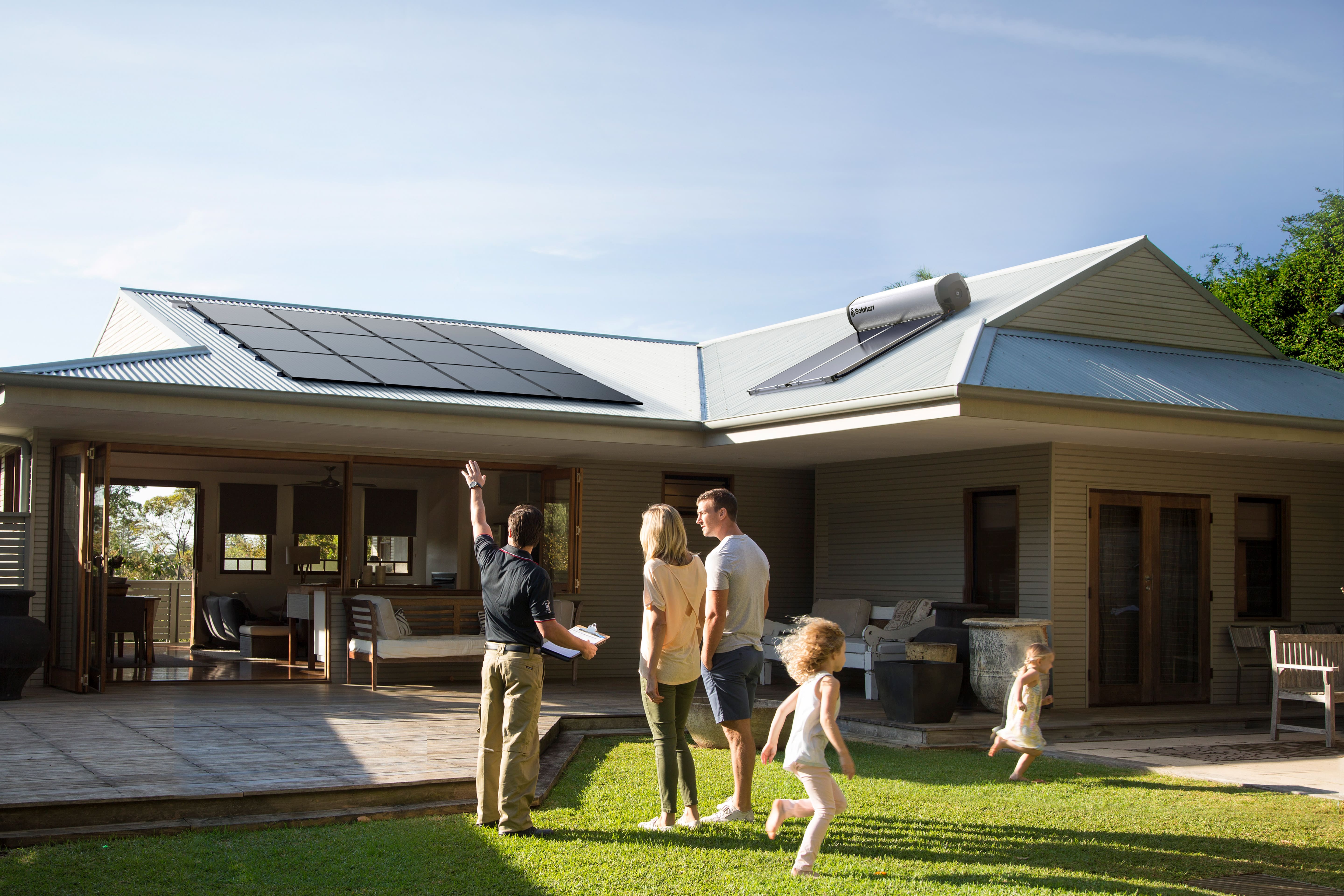
When you think about going solar, you might assume it's all or nothing. But the reality for many Australian homeowners is that a hybrid approach combining solar panels with gas appliances still makes plenty of sense in 2026. Let's explore why this balanced strategy continues to work well for households across the country.
Understanding Hybrid Energy Systems
A hybrid system uses solar panels to generate electricity during the day while maintaining gas appliances for heating, cooking, and hot water. Rather than relying entirely on one energy source, this approach gives your home flexibility and reliability.
Solar panels excel at generating power when the sun is shining, but they don't work at night or during overcast weather. Gas appliances fill those gaps. For water heating, cooking, and space heating, gas remains a practical and efficient option that complements solar energy generation nicely.
Why Gas Appliances Still Have a Place
Electrifying everything in your home sounds appealing in theory, but it comes with challenges. Converting all gas appliances to electric alternatives requires significant upfront investment. You'd need to replace your gas cooktop with an induction cooktop, swap your gas heater for a heat pump, and upgrade your hot water system, all at considerable cost.
For many Australian families, a hybrid approach offers a more practical path forward. You get the environmental and financial benefits of solar power without bearing the expense of replacing every appliance in your home at once. Gas appliances that are functioning well can continue operating while you invest in solar technology.
Moreover, gas appliances provide reliability and independence during grid outages. Unlike electric appliances that depend on electricity supply, gas cooking and heating work regardless of what's happening with the power network. This backup capability adds genuine value to Australian homes.
Cost Effectiveness and Timing
Upgrading your entire home to run on electricity alone represents a massive financial commitment. Installing solar panels is a smart investment that can be completed relatively quickly. By contrast, replacing multiple gas appliances with electric equivalents happens over time and costs considerably more.
A sensible strategy is to install solar panels now and transition gas appliances gradually as they reach the end of their lifespan. When your gas heater needs replacing in five or ten years, you can evaluate electric heat pump options then. When your cooktop eventually requires replacement, induction cooking might be more affordable and practical by that time.
This staged approach lets you benefit from solar energy immediately while spreading the cost of transitioning away from gas across many years. The team at Solahart Bundaberg can help you create a long-term energy plan that works within your budget and circumstances.
The Flexibility Factor
Hybrid systems offer flexibility that all-electric homes don't provide. On days when you're cooking multiple meals, hosting gatherings, or heating your home during winter, gas appliances ensure you have reliable performance. You're not competing with other household electrical demands or worrying about whether your battery storage can handle peak usage.
Electricity prices continue to fluctuate, and grid demand varies seasonally. By maintaining gas as an option, you're not locked into a single energy source. You can use solar power when it's available, fall back on gas when it makes sense, and avoid the complications of relying entirely on battery storage for backup.
Environmental Considerations
While natural gas isn't carbon-neutral, combining solar panels with gas appliances still reduces your overall household emissions significantly. Solar power eliminates emissions from the electricity you generate, and you're using renewable energy to offset grid consumption. This hybrid approach represents a substantial environmental improvement compared to using grid electricity for everything.
As Australia's electricity grid continues to incorporate more renewable sources, the emissions impact of electric appliances improves over time. This means your solar investment becomes increasingly valuable year after year, while you maintain the practical benefits of gas appliances.
Getting Professional Guidance
Every home is different, and the right energy solution depends on your specific circumstances. Your house size, hot water needs, cooking habits, heating requirements, and budget all factor into the decision. Contact Solahart Bundaberg today to discuss whether a hybrid solar and gas system makes sense for your home. Our experienced team can assess your situation and recommend an approach that balances your environmental goals with practical, affordable solutions.
Hybrid systems aren't a compromise or a temporary measure. In 2026, they represent a smart, realistic way for Australian homeowners to use renewable energy effectively while maintaining the reliability and flexibility that gas appliances provide. You don't need to choose between going green and staying practical, when you can have both.
Energy savings vary depending on household usage and location.